


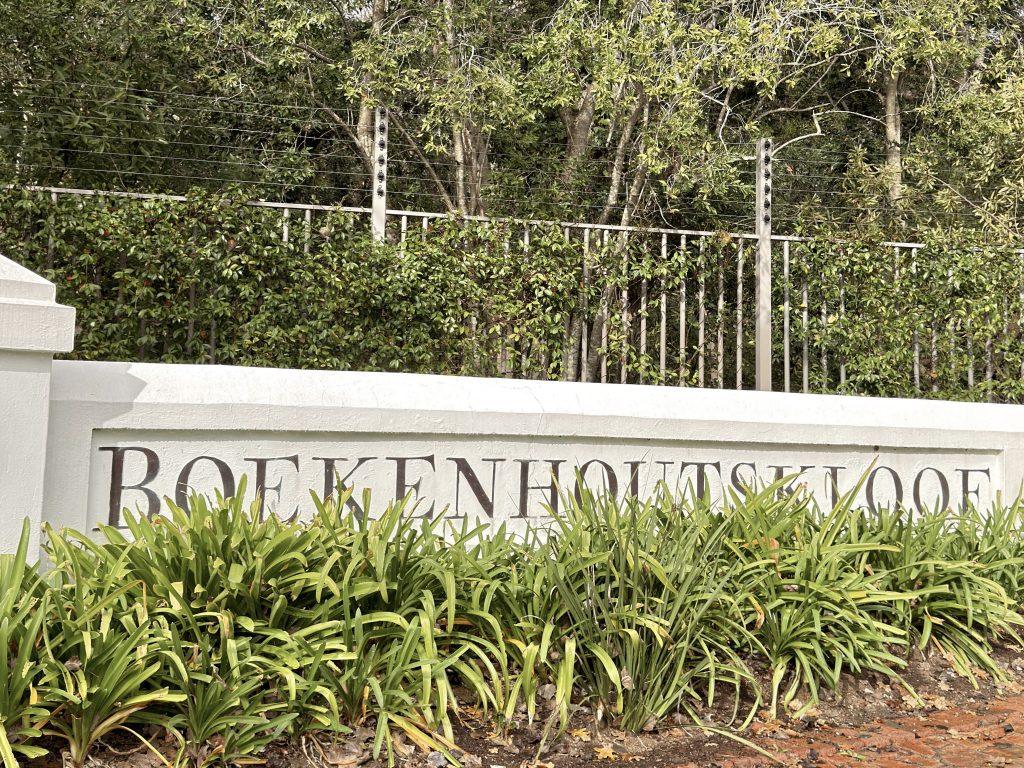
There are wine estates you visit and then there are those that leave a lasting impression. Boekenhoutskloof, situated in the furthest corner of the beautiful Franschhoek Valley, certainly falls into the latter category.
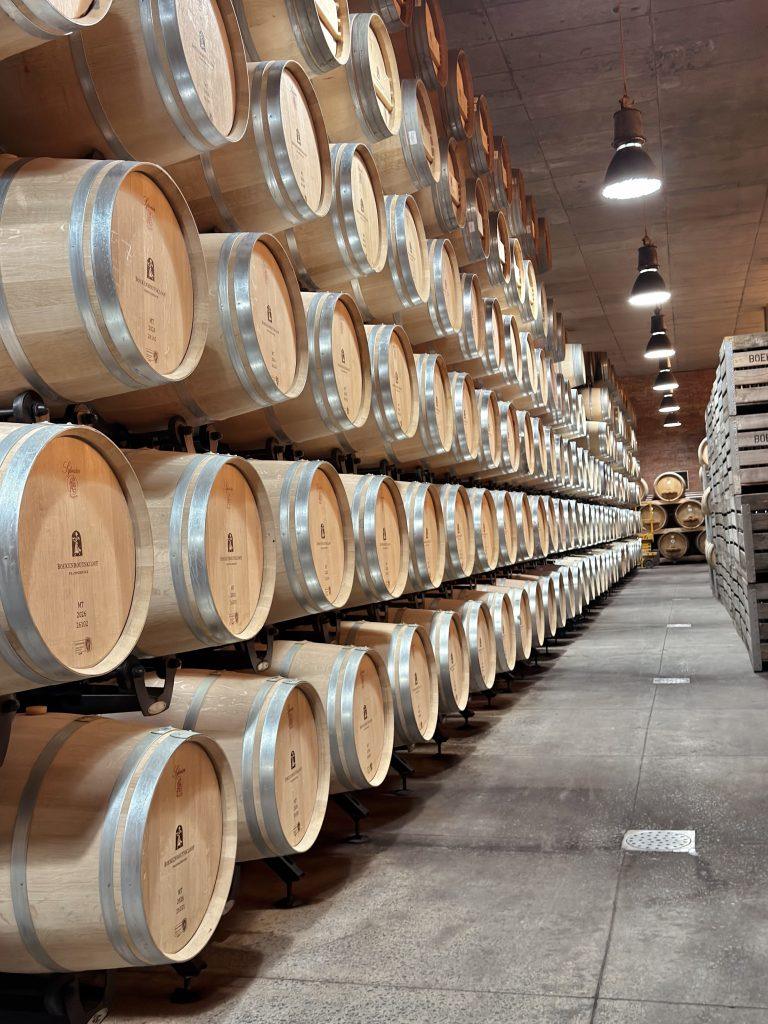
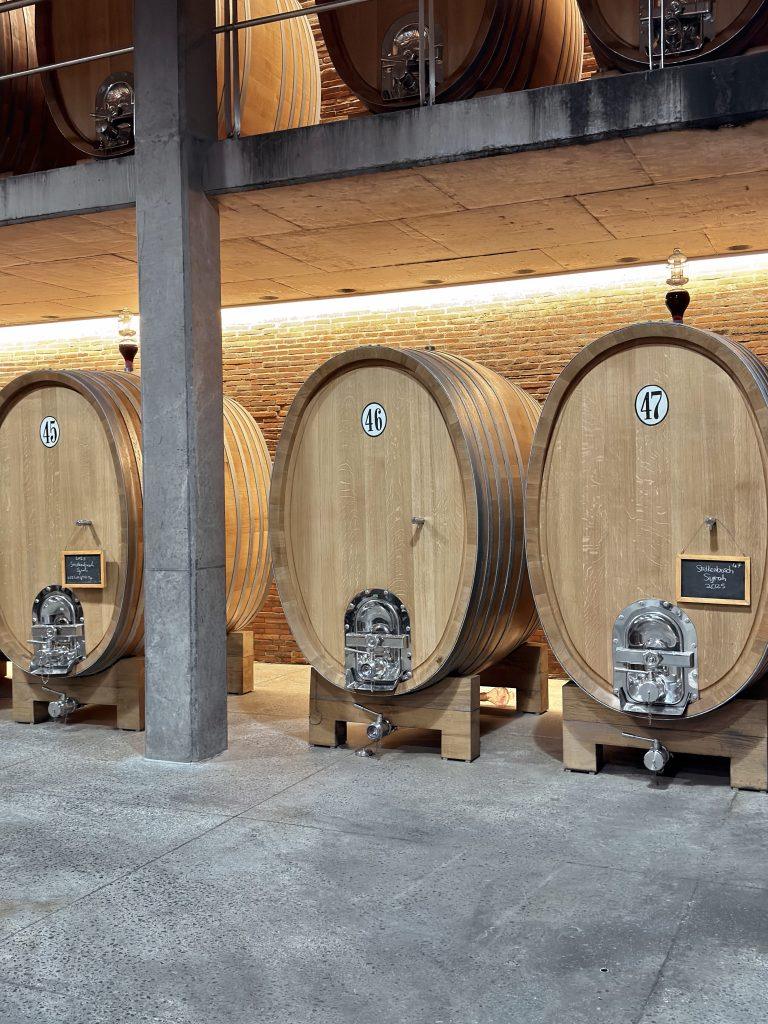
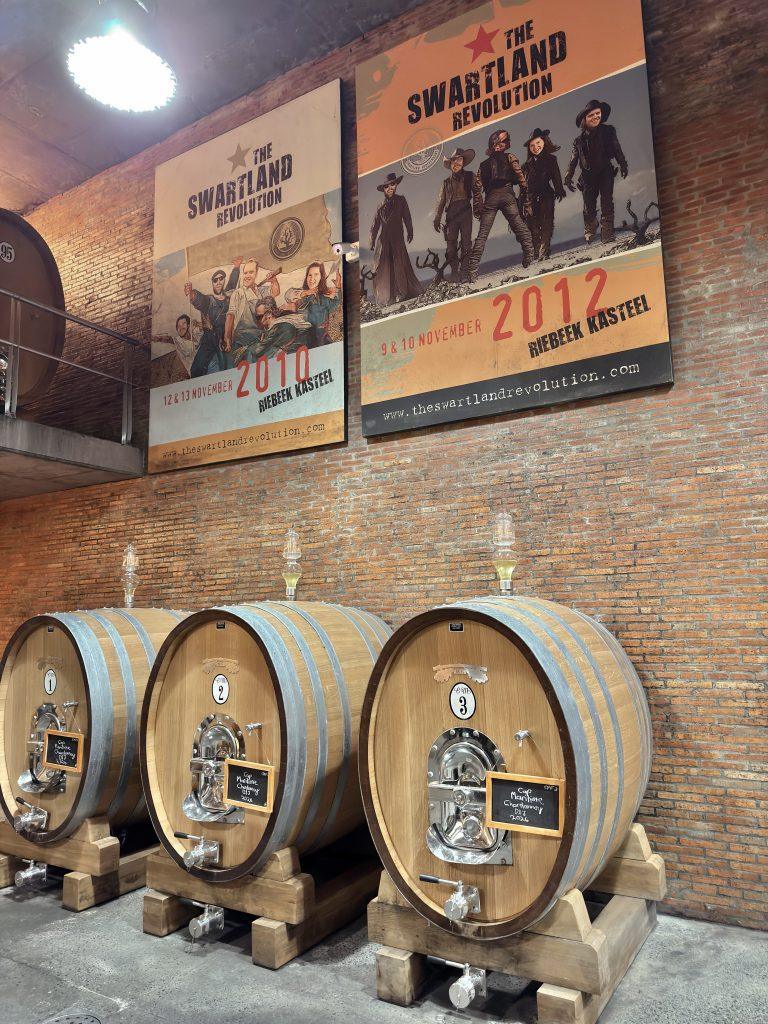
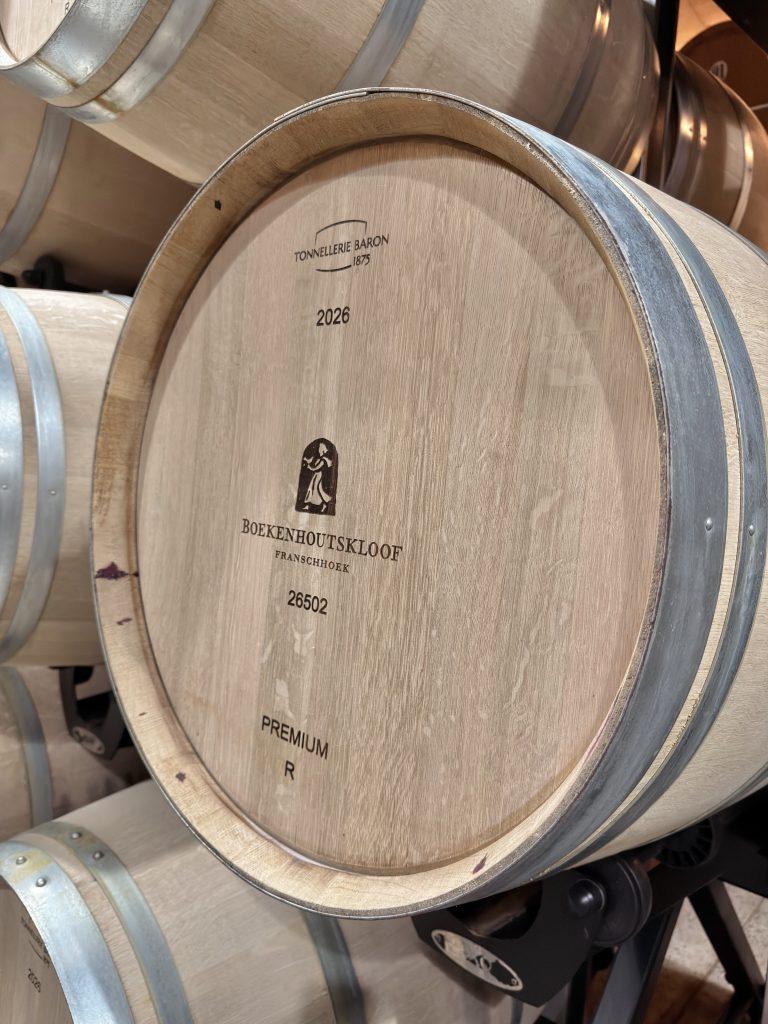
Established in 1776, this historic estate has a fascinating story, and one of the first things that caught my attention was its impressive underground cellar. Reached through a 65-metre underground tunnel from the winery, the barrel cellar is quite something to see. Everything is beautifully organised, with neatly stacked barrels and impressive foudres. It is one of the most immaculate and impressive cellars I have had the pleasure of visiting.
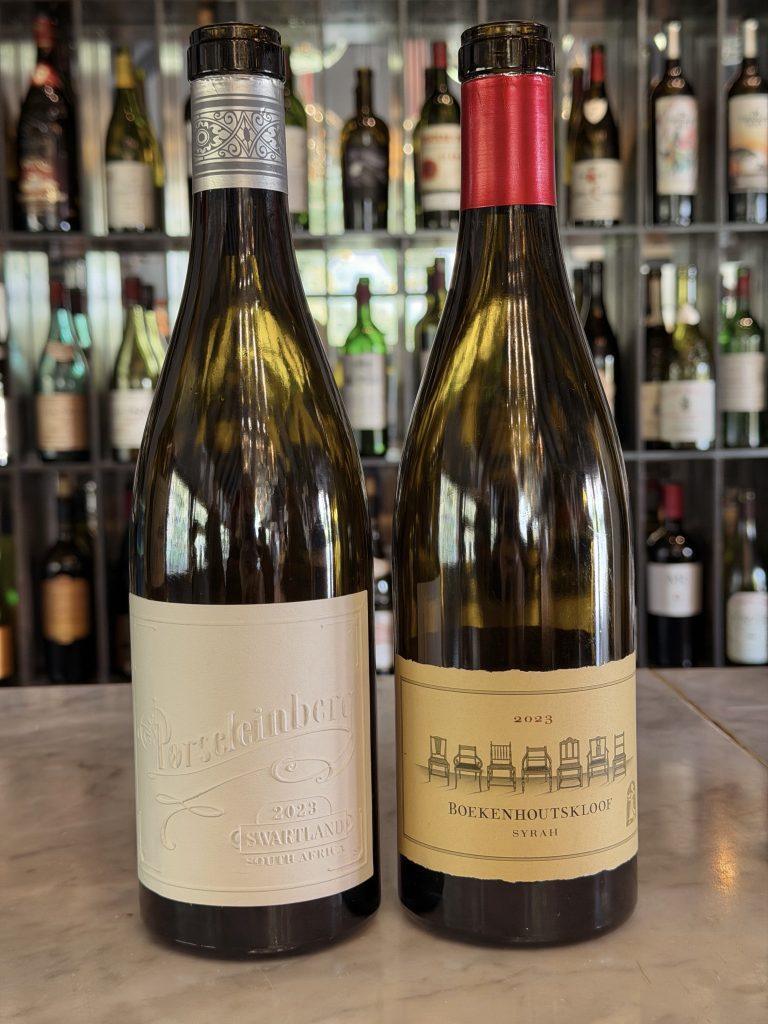
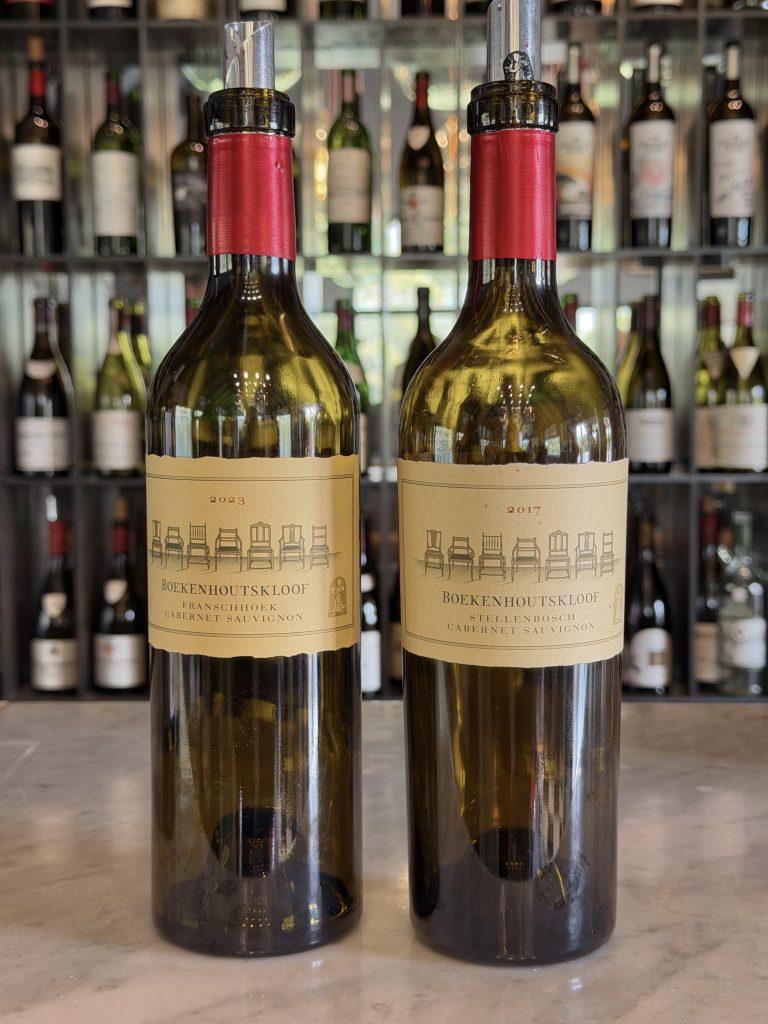
The 7 chairs featured on the Boekenhoutskloof wine labels are not simply decorative illustrations. They pay tribute to the indigenous Boekenhout tree, traditionally priced for making fine furniture, and showcase different styles of Cape furniture dating back to the 18th and 19th centuries. The chairs celebrate the skill of the craftsmen who transformed natural materials into beautiful pieces, drawing a lovely parallel with the art, patience and attention to detail that go into making exceptional wines. A label with a story of its own.
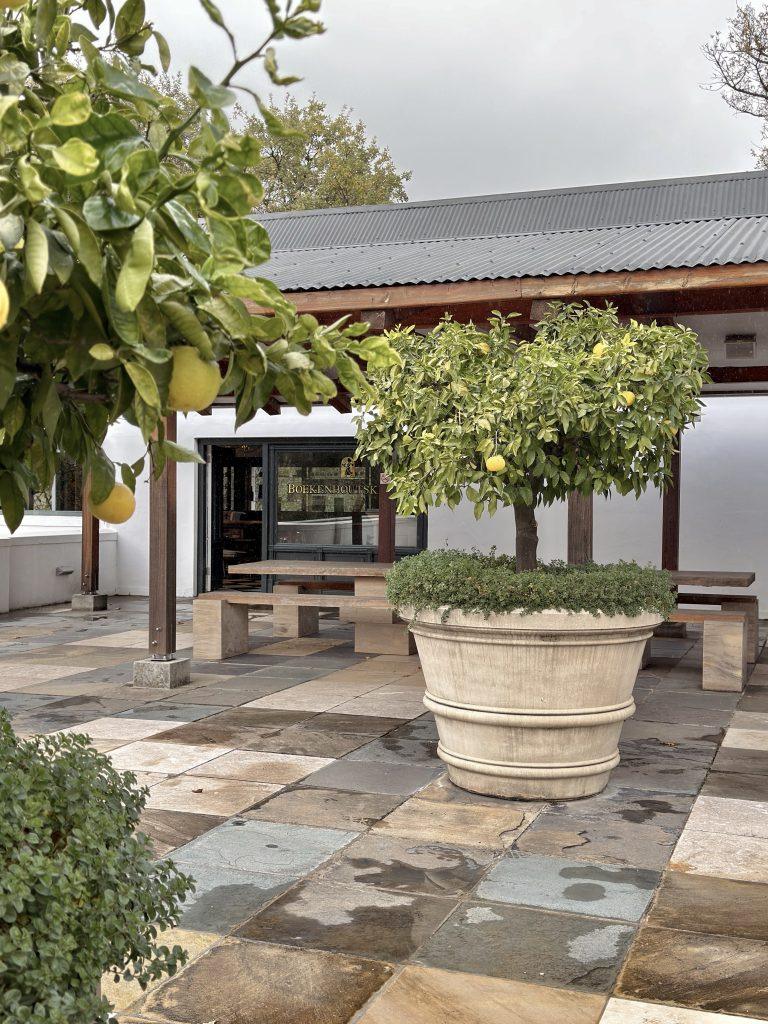
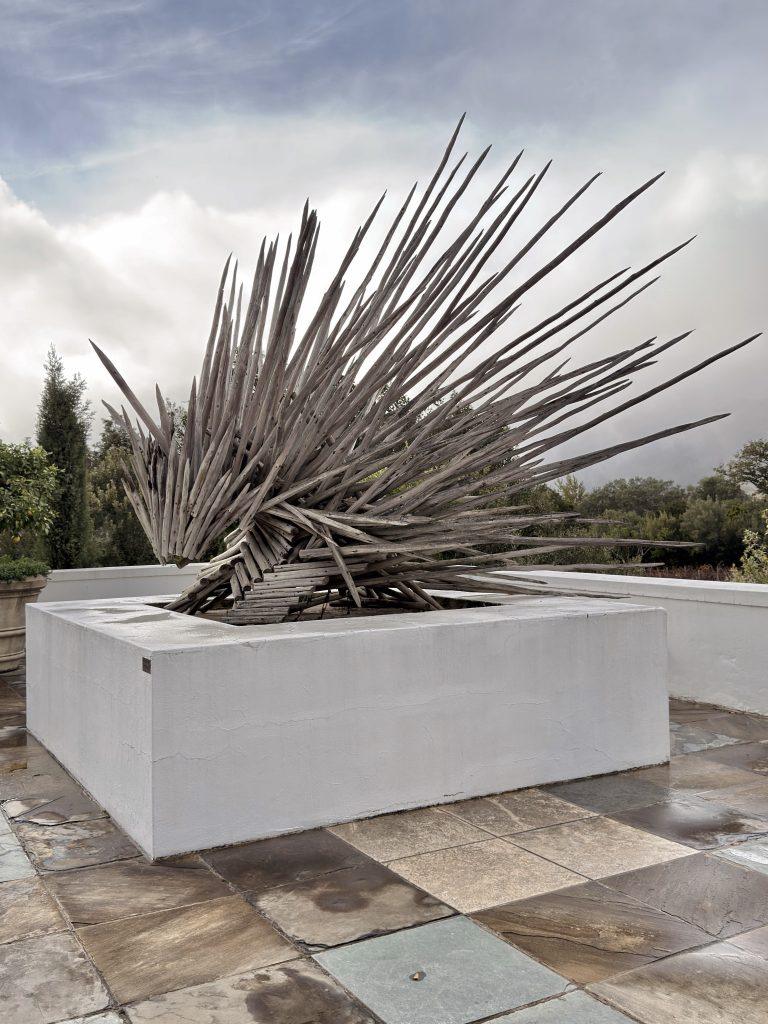
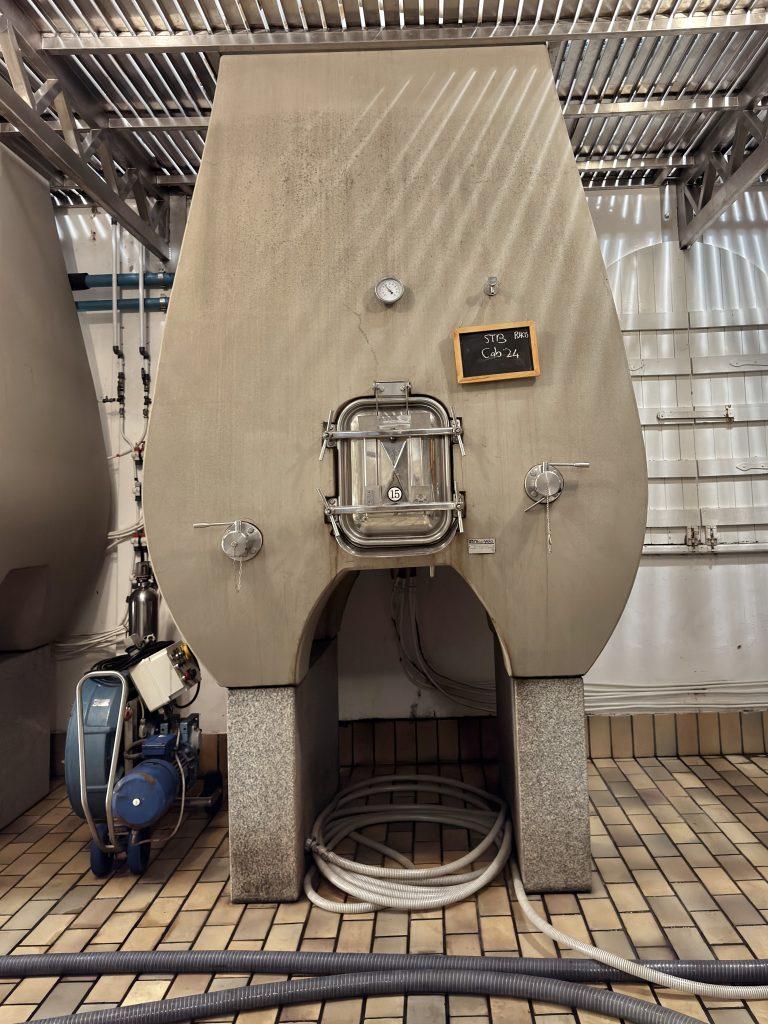
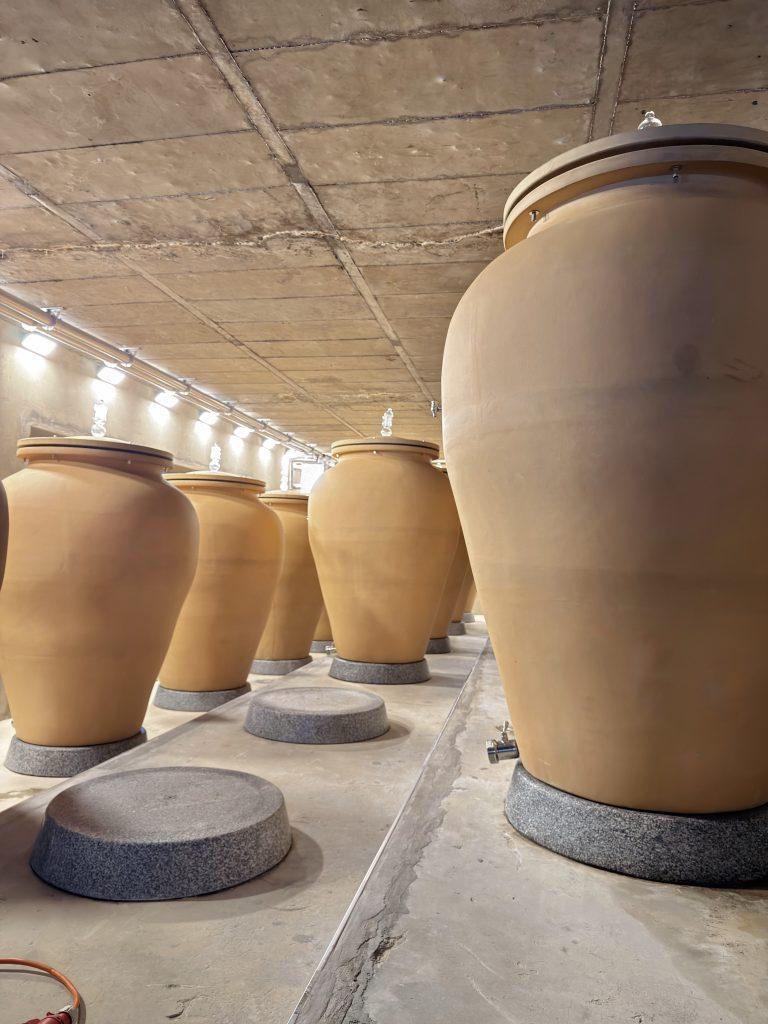
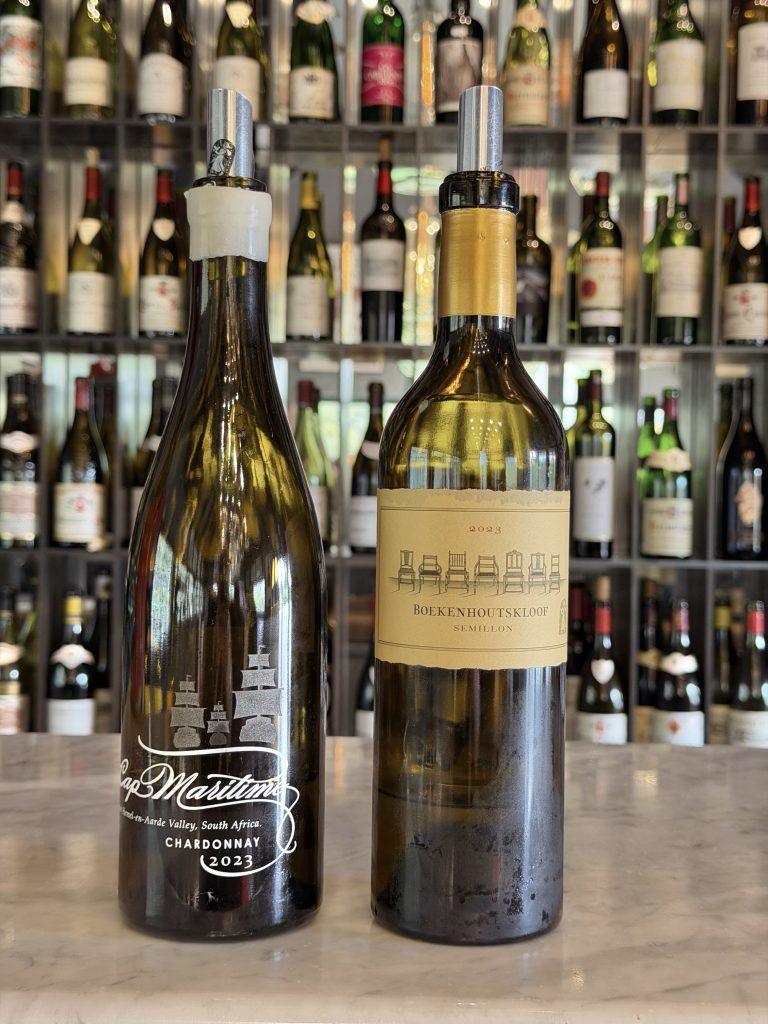
Our tasting began with 2 beautiful expressions of Chardonnay and Semillon. First up was the Cap Maritime Chardonnay 2023, from the Hemel-en-Aarde Valley, followed by the Boekenhoutskloof Semillon 2023. The Semillon has a particularly fascinating heritage, sourced from vines dating back to 1902, 1936 and 1942. Aged for 14 months in a combination of new French oak and concrete eggs, it offered lovely layers of orange blossom, fresh lime, marzipan and ginger spice. On the palate, it was fresh yet richly textured, with lively acidity, creamy nuances and a beautiful saline finish. A wine with plenty of personality.
Next came 2 Syrahs that certainly made an impression, Porseleinberg Syrah 2023 and Boekenhoutskloof Syrah 2023. The latter draws its fruit from carefully selected parcels on the Porseleinberg and Goldmine farms in the Swartland, close to Riebeek-Kasteel. Full-bodied and generous, with vibrant acidity, ripe tannins and layers of red currant and exotic spice, it was a wonderful expression of Swartland Syrah. Tasting these 2 wines alongside one another made for a particularly interesting comparison.
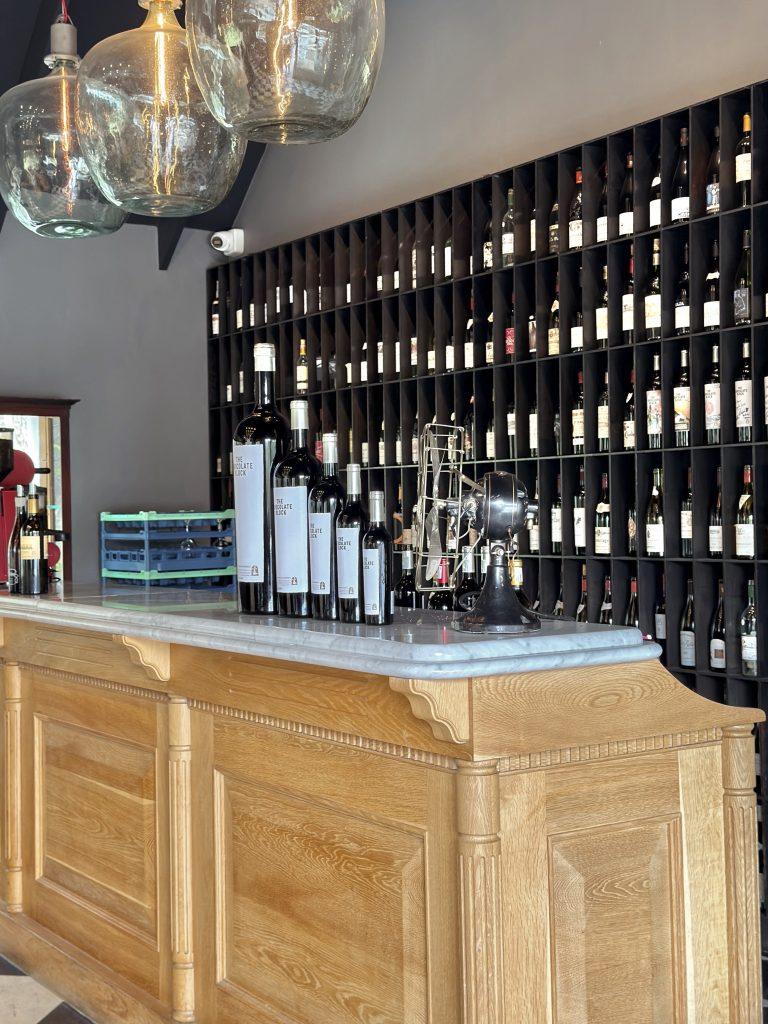
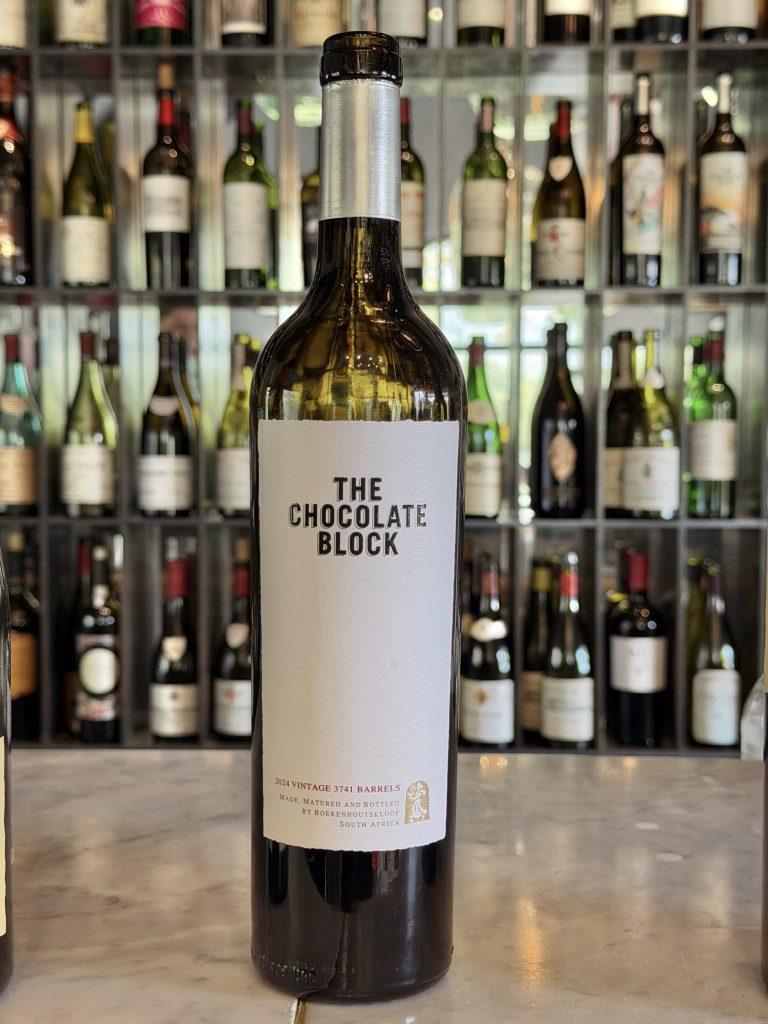
And then, of course, we could not leave without enjoying the wine that has become a household name around the world, The Chocolate Block 2023. This iconic blend brings together Syrah, Grenache, Cabernet Sauvignon, Cinsault and Viognier, with the proportions adjusted from vintage to vintage to reflect the character of each season. The 2023 showed lovely layers of fruit, lively acidity and velvety tannins, with hints of cherry tobacco and exotic spice. Smooth, elegant and beautifully balanced, it is easy to see why this wine has such a devoted following.
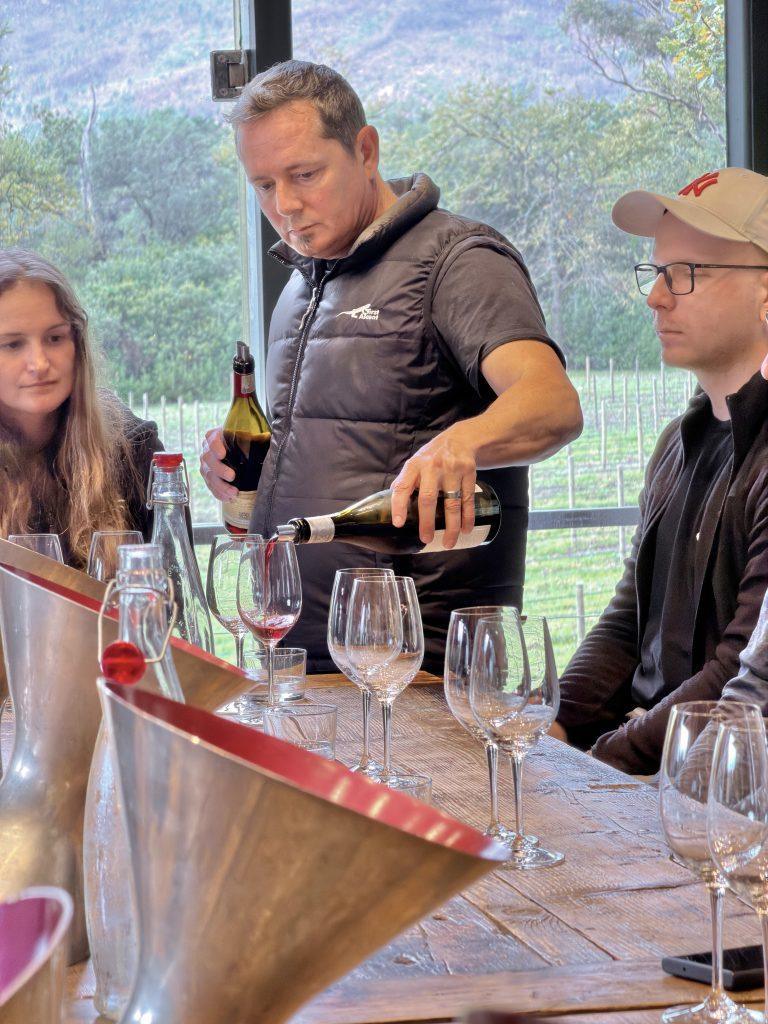
We rounded off the tasting with a vintage comparison of Boekenhoutskloof Cabernet Sauvignon 2023 and 2017. A wonderful opportunity to appreciate how a wine develops over time. The 2023 opened with dark berry fruit, blackcurrant, cigar box and delicate floral notes, followed by flavours of blueberries, fresh plums and dark chocolate. Its pronounced tannin structure, integrated acidity and classic French oak added depth and complexity, finishing with lingering notes of cherry tobacco and cedar.
What I particularly enjoyed about this visit was the combination of history, attention to detail and the opportunity to explore such a diverse collection of wines. From the remarkable underground cellar to the heritage vineyards and the stories shared throughout the tasting, Boekenhoutskloof offers so much more than an opportunity to enjoy some exceptional wines.
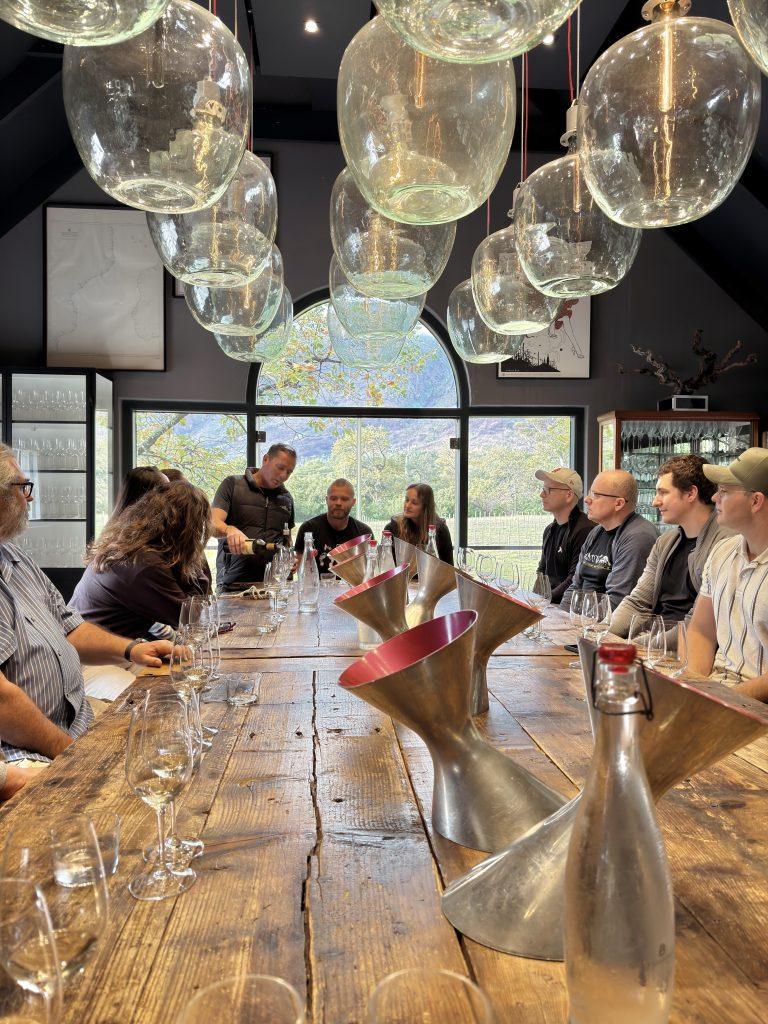
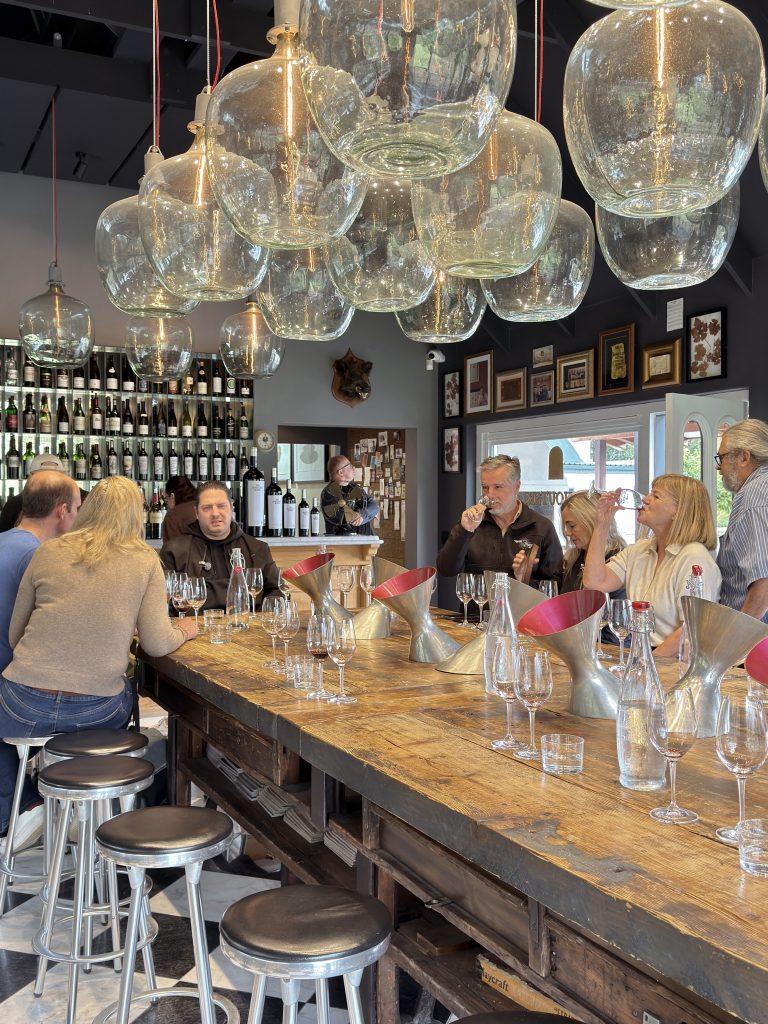
Of course, Boekenhoutskloof is internationally recognised for The Chocolate Block, and it is easy to understand why a visit here is so sought after. The estate welcomes a limited number of guests for its communal tasting experiences on Tuesdays and Thursdays, hosted by winemaker Gottfried Mocke.
With just 12 guests per session, it is an opportunity to hear the stories behind the labels, learn more about the wines and gain insight into the winemaking philosophy. Tastings last approximately 90 minutes and are strictly by prior appointment through Dineplan, with bookings opening six months ahead. Seats are snapped up quickly, particularly by international visitors who already know and love The Chocolate Block.

Categories: Boekenhoutskloof
